Gourmet Charcuterie Boards for Every Occasion
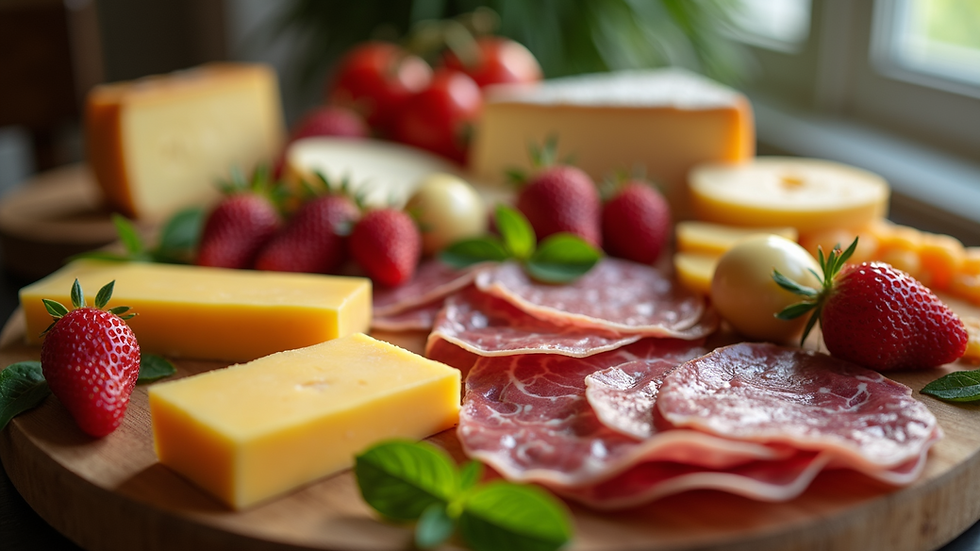
Charcuterie boards have taken the culinary world by storm. They are not just a meal; they are an experience. Whether you are hosting a casual get-together, a formal dinner, or a festive holiday party, a well-crafted charcuterie board can elevate any occasion.
In this post, we will explore how to create gourmet charcuterie boards that impress your guests and satisfy their taste buds. We will cover the essentials, from selecting the right ingredients to arranging them beautifully. Let’s dive into the art of charcuterie!
What is a Charcuterie Board?
A charcuterie board is a platter filled with a variety of cured meats, cheeses, fruits, nuts, and other accompaniments. The word "charcuterie" comes from the French term for a shop that sells cured meats. However, today, charcuterie boards have evolved to include a wide range of delicious items.
The beauty of a charcuterie board lies in its versatility. You can customize it to fit any theme or occasion.
Choosing the Right Base
The first step in creating a gourmet charcuterie board is selecting the right base. This could be a wooden board, a slate platter, or even a large plate.
Considerations for Your Base:
Size: Make sure your base is large enough to hold all your ingredients.
Material: Wood adds a rustic touch, while slate offers a modern look.
Shape: Round, square, or rectangular—choose a shape that fits your style.
Once you have your base, it’s time to think about the ingredients.
Selecting Ingredients
The key to a successful charcuterie board is variety. You want to include a mix of flavors and textures. Here are some essential components to consider:
Meats
Cured Sausages: Salami, chorizo, and pepperoni are popular choices.
Prosciutto: This thinly sliced ham adds a touch of elegance.
Pâté: A spreadable option that adds richness.
Cheeses
Soft Cheeses: Brie and goat cheese offer creaminess.
Hard Cheeses: Aged cheddar and gouda provide a sharp contrast.
Blue Cheese: For those who enjoy bold flavors.
Accompaniments
Fruits: Fresh grapes, figs, or apple slices add sweetness.
Nuts: Almonds, walnuts, or pistachios add crunch.
Condiments: Honey, mustard, or chutney can enhance flavors.
Bread and Crackers
Don’t forget to include a selection of bread and crackers. Baguette slices, breadsticks, and artisan crackers provide a perfect vehicle for your meats and cheeses.
Arranging Your Board
Now that you have your ingredients, it’s time to arrange them on your board. Here are some tips for creating an eye-catching display:
Start with the Larger Items
Begin by placing your cheeses and meats on the board. Arrange them in clusters rather than in a straight line. This creates a more organic look.
Fill in the Gaps
Once your main items are in place, fill in the gaps with fruits, nuts, and condiments. Use small bowls for dips or spreads to keep things tidy.
Add Color and Texture
Incorporate a variety of colors and textures. This not only makes the board visually appealing but also enhances the tasting experience.
Final Touches
Consider adding fresh herbs or edible flowers for a pop of color. A sprig of rosemary or a few edible flowers can make your board look even more gourmet.

Themed Charcuterie Boards
To make your charcuterie board even more special, consider creating a theme. Here are a few ideas:
Seasonal Boards
Fall Harvest: Use seasonal fruits like apples and pears, along with spiced nuts and pumpkin seeds.
Summer Vibes: Incorporate fresh berries, melons, and light cheeses for a refreshing touch.
Holiday Boards
Christmas Cheer: Use red and green fruits, festive cheeses, and holiday-themed crackers.
Valentine’s Day: Create a romantic board with heart-shaped cheeses and strawberries.
Cultural Boards
Mediterranean: Include olives, hummus, feta cheese, and pita bread for a taste of the Mediterranean.
Italian: Use Italian meats, cheeses, and a selection of bruschetta toppings.
Pairing Drinks with Your Charcuterie Board
A charcuterie board is not complete without the right drinks. Here are some pairing suggestions:
Wine
Red Wine: Pairs well with cured meats and aged cheeses.
White Wine: Complements soft cheeses and fruits.
Beer
Craft Beer: A hoppy IPA can balance the richness of the meats.
Wheat Beer: Light and refreshing, it pairs well with cheeses.
Non-Alcoholic Options
Sparkling Water: A refreshing choice that cleanses the palate.
Herbal Tea: Offers a unique flavor profile that can enhance the tasting experience.
Serving Your Charcuterie Board
When it comes time to serve your charcuterie board, presentation is key. Here are some tips to keep in mind:
Use Small Plates
Encourage guests to take small plates for easy serving. This allows them to mix and match flavors.
Provide Utensils
Make sure to have cheese knives, toothpicks, and serving spoons available. This makes it easy for guests to serve themselves.
Keep It Fresh
If your board is out for a while, consider refreshing it with new ingredients. This keeps everything looking and tasting great.
Tips for Success
Creating a gourmet charcuterie board can be simple and fun. Here are some final tips to ensure your board is a hit:
Plan Ahead: Gather all your ingredients before you start assembling.
Taste as You Go: Sample your ingredients to ensure they pair well together.
Don’t Overthink It: The beauty of a charcuterie board is its casual nature. Have fun with it!
The Joy of Sharing
Charcuterie boards are more than just food; they are a way to bring people together. Whether you are celebrating a special occasion or simply enjoying a night in, sharing a beautifully arranged board can create lasting memories.
So, gather your friends and family, and let the charcuterie experience begin. With a little creativity and the right ingredients, you can create a gourmet charcuterie board that will impress everyone at your table.
Now that you have the tools and knowledge to create your own charcuterie masterpiece, it’s time to get started. Happy assembling!

Comments